Iran's Rights in the Caspian Sea Message, August 6, 2026
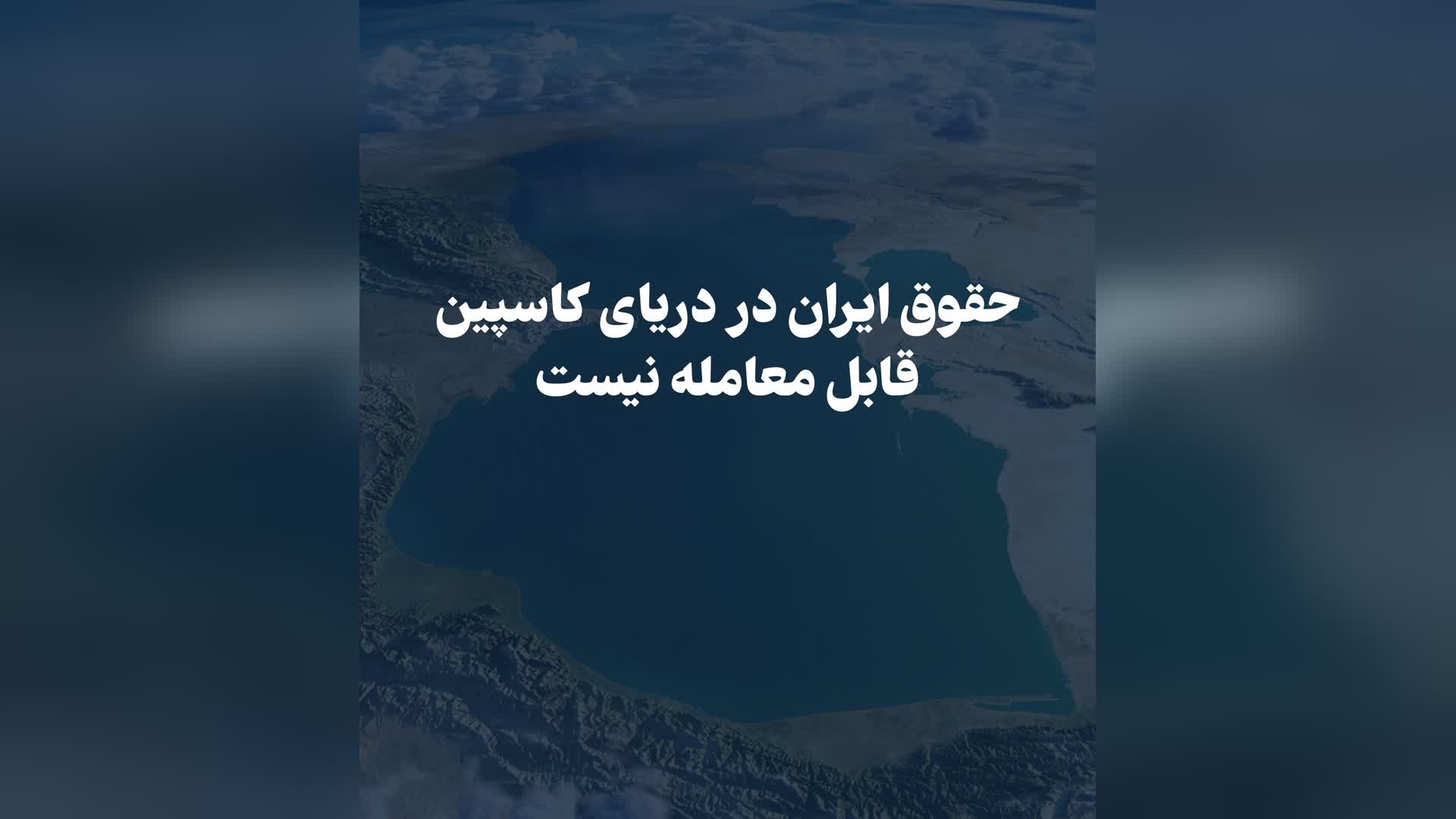
Iran's Rights in the Caspian Sea Are Not Negotiable.
The Islamic Republic, amid profound structural weakness and a deep crisis of legitimacy, is seeking to advance and implement the Convention on the Legal Status of the Caspian Sea (the Aktau Convention). This effort, undertaken without the mandate of the Iranian people and without a clear and comprehensive guarantee of Iran's historic rights, is deeply concerning and constitutes a serious threat to Iran's national interests.
Under the 1921 and 1940 treaties between Iran and the Soviet Union, the legal regime governing the Caspian Sea was founded on the parties' shared rights and the principles of mutual agreement and common interests.
Following the dissolution of the Soviet Union, the newly independent states reaffirmed, in the Alma-Ata Declaration (December 1991), their commitment to the treaties of the former Soviet Union and to fulfilling the international obligations arising from those agreements through the successor states.
Accordingly, any fundamental change to the legal status of this strategically vital body of water must be made with the agreement of all littoral states and with full respect for Iran's rights.
However, the Aktau Convention provides for the conclusion of bilateral and multilateral agreements among the littoral states concerning portions of the seabed and subsoil of the Caspian Sea, areas that were previously part of the shared waters of Iran and the Soviet Union.
This sets a dangerous precedent. By circumventing the principle of consensus among all littoral states, it effectively weakens Iran's historic position and diminishes the country's role in determining the future legal status of the Caspian Sea.
Since the signing of the Aktau Convention in 2018, I have repeatedly warned that "national interests cannot be safeguarded from a position of weakness." At the time, I also stressed that the criminal clique ruling the Islamic Republic sacrifices the interests of the Iranian nation and homeland for its own survival, and that its foreign policy repeatedly resorts to concessions and appeasement from a position of weakness.
My position on the current process remains unchanged. I consider the Islamic Republic's attempt to ratify this convention to be contrary to Iran's national interests.
No decision concerning Iran's resources, borders, or sovereign rights in this strategic body of water can possess legitimacy without the genuine participation and consent of the Iranian people. Iran's rights in the Caspian Sea are not negotiable, nor can they be relinquished. Any action that undermines these rights will be recorded in the historical memory of the Iranian nation, and those responsible will ultimately be held accountable by the people of Iran.