Speech at the Foreign Affairs Committee of the Dutch House of Representatives, July 6, 2026
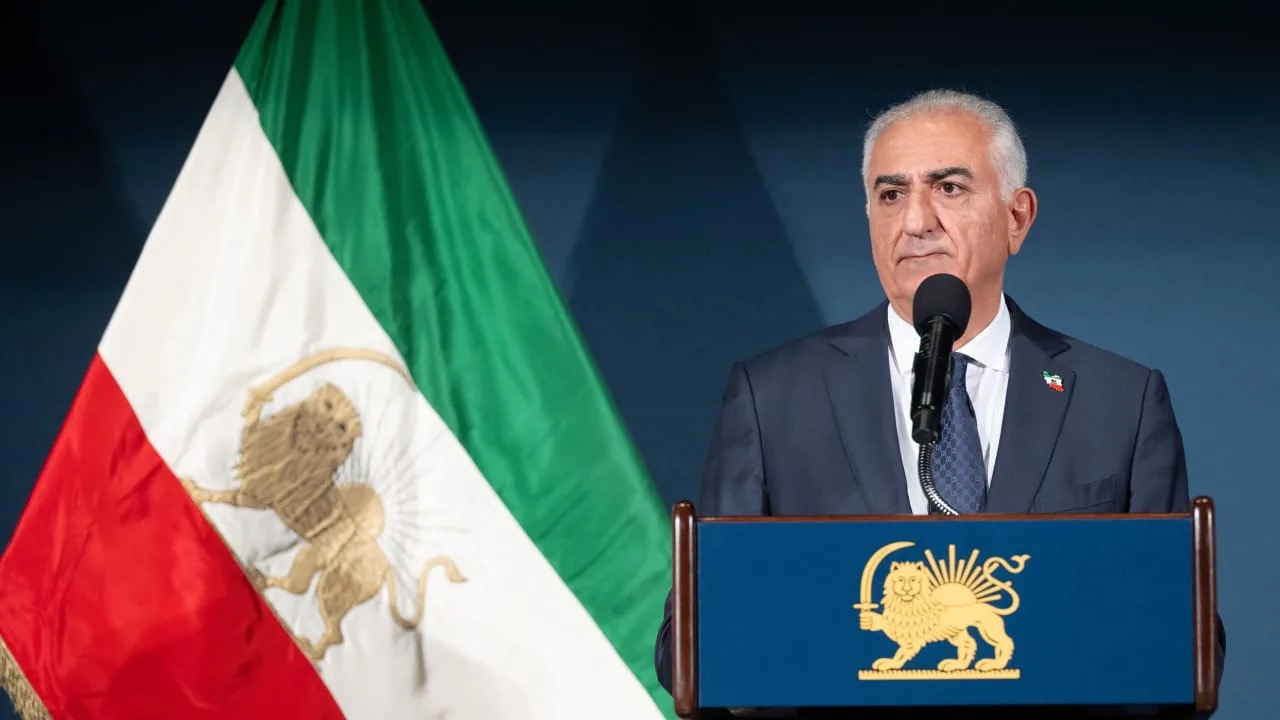
Thank you to the Chair and members of the Committee for inviting me to speak here today. As we Iranians fight for democracy, it is always meaningful for me to speak in the seats of the world’s great democracies.
This is not simply an important moment for the Iranian people. It is an important moment for Europe's security—and for the Netherlands. What happens in Iran will shape the security of this continent for years to come. The Islamic Republic is no longer merely a Middle Eastern challenge. It is already a European and a global one.
To state my principles: I believe in a secular, democratic Iran committed to human rights, inclusive of every group and faith that is once again a force for peace and stability in the world.
At the request of tens of millions of my compatriots, I have stepped forward to lead Iran’s transition to democracy. That’s what the Iranian people demanded across every province of our nation when they answered my call in January. They paid a heavy price for their freedom—more than 40,000 of them were murdered by the regime. They have earned the support of free nations in blood. That’s why I am here. Not for myself, but for my nation. Not to seek your recognition of me, but your recognition of them and their fundamental right to choose their own government. They, ladies and gentlemen, are fighting against what your Wilhelmus calls “the tyranny which hurts my heart…”
I have united a diverse coalition—left and right, republican and monarchist, across regions, generations, ideologies, and religions, even former political opponents—around a common mission: ending the Islamic Republic and replacing it with a secular democracy. They trust me to ensure a stable transition, guided by four core principles: Iran’s territorial integrity, the protection of equal rights and individual liberties of all citizens, the separation of religion and state, and the right of the Iranian people to choose their future form of government. This is not about a particular form of government, whether a republic or a constitutional monarchy. It is about the process to get us to the free and fair elections where Iranians can decide that future.
Why does this matter to the Netherlands? Because a secular, democratic Iran would transform one of Europe’s greatest long-term security challenges into one of its most important strategic partnerships. A free Iran would end its support for terrorism, stop supplying Putin’s war machine, help stabilize one of the world’s most critical regions, and become a nation of ninety million people eager to trade, invest, and cooperate with Europe.
For the Netherlands—with its global leadership in trade, logistics, water management, innovation, and international commerce—this is not charity. It is a strategic opportunity.
The alternative is equally clear. As long as the Islamic Republic remains in power, Europe will face never-ending nuclear and ballistic missile threats, more terrorism on its soil, more economic piracy, and continued military cooperation with Russia. Supporting the Iranian people’s democratic aspirations today is far less costly than confronting an even stronger and more dangerous regime tomorrow.
Yet there is another reason the Netherlands should reconsider its assumptions about Iran: something fundamental has changed inside my country.
The struggle in Iran has long ceased to be a battle between reformers and hardliners. It is between a nation determined to reclaim its future and a regime that has held it captive for nearly half a century. It is a battle for the soul of our nation. You in the Netherlands are familiar with the struggles that come with occupation. As Queen Wilhelmina and your brave resistance fought the Nazis to liberate your nation and free your people, you sought the help of foreign friends. Not out of dependence, but out of love of your country and its independence. That is where we Iranians find ourselves today.
There is a credible path forward. This is not wishful thinking. There is a transition plan. My colleagues and I have developed a plan to bring down this regime and build that future:
Bolstering the democracy movement inside Iran, ready to mobilize the Iranian people again at the decisive moment.
Encouraging defections from the Iranian armed forces to secure a stable transition
Maximum support for the Iranian people from the international community, particularly on practical measures such as internet access, where Dutch technology and expertise can make a real difference.
Maximum pressure on the regime through sanctions, full enforcement of the IRGC terrorist designation the Netherlands helped lead in Europe, diplomatic isolation, and targeted military action.
Preparing the transition now, with a political, constitutional, and economic plan for reconstruction.
Allow me to draw your attention to three realities that I think are relevant for Dutch policy.
The plight of the Iranian people must become the focus of the international community. Today, it is barely a consideration.
Appeasement will not work. The threats to Europe this regime creates are endless. This regime, just two months ago through its criminal proxies, attempted to murder an Iranian dissident on Dutch soil. As long as this regime is in place, you will continue to face these threats. And they will only get worse. No deal will solve this. It is in their DNA. For 47 years you have tried to change this regime's behavior, and for what should be obvious by now, you have failed.
The Netherlands has shown leadership. You helped lead Europe to designate the IRGC. Now lead again. There is still no real European strategy on the regime in Iran. Back the Iranian people as the Dutch once backed the struggle against Apartheid and stood with Solidarność.
The Iranian people are not asking you to fight their revolution. They are already risking their lives to do that themselves. They ask only that you do not legitimize those who oppress them, do not strengthen those who terrorize them, and prepare for the day when Iran once again takes its place among the free nations of the world.
Supporting the Iranian people is not simply an act of charity toward a distant nation.
It is an investment in Dutch security, European stability, and a Middle East that exports trade instead of terrorism, instability, and refugee crises. Few foreign policy decisions before this Committee offer the opportunity to advance all three at once.
History will remember whether Europe recognized this moment for what it was—not only a chance to help a great nation reclaim its sovereignty, but an opportunity to make the Netherlands, Europe, and the wider world safer. In closing, I hope that when the people of Iran cry out as you do in your Wilhelmus “I am free, without fear” I will be able to remind them that the Dutch people chose to stand with them.
Thank you.